





















 Back
Back
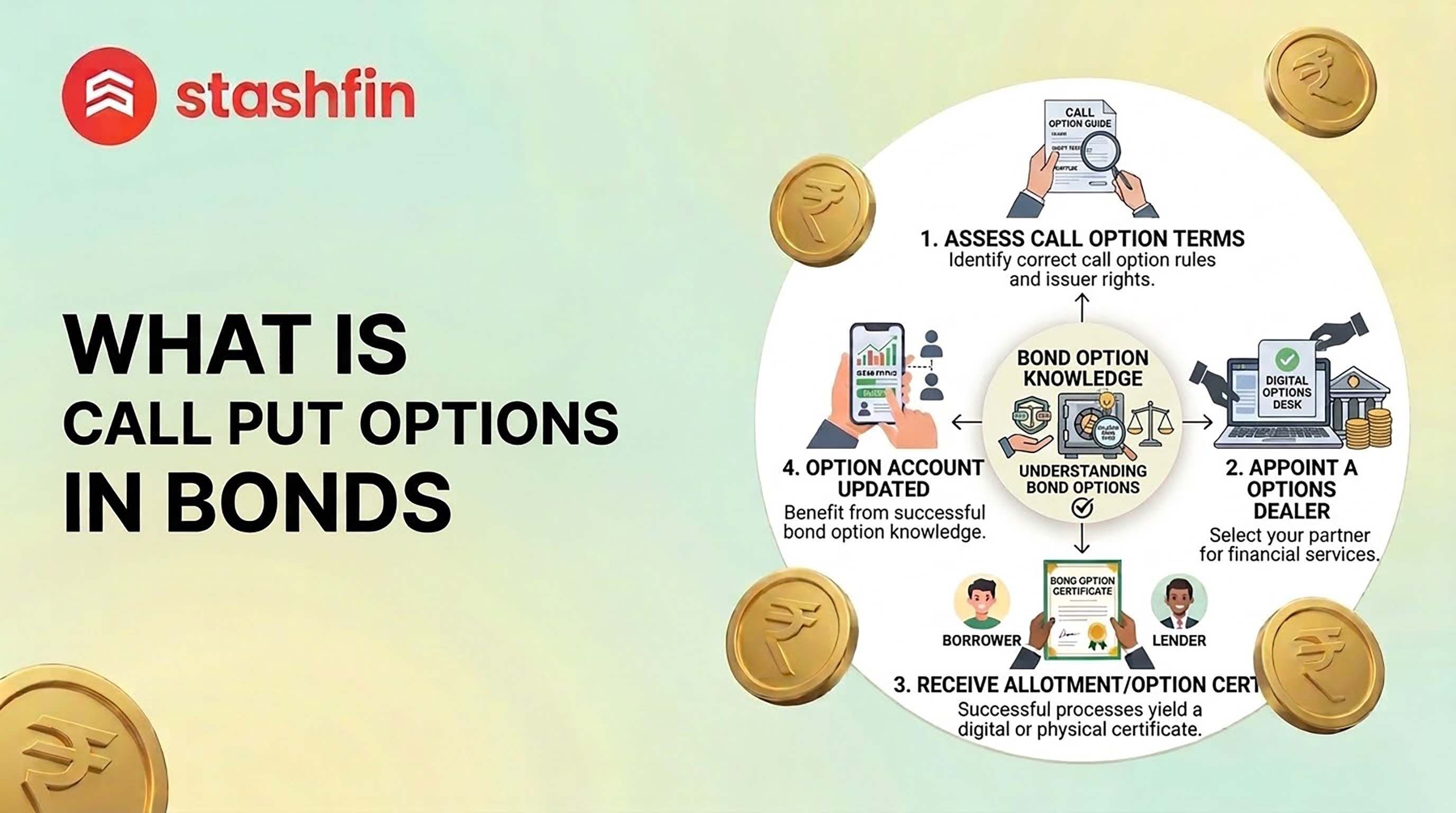

What is Call and Put Options in Bonds?
In the bond market, Call and Put options are "embedded" features that grant either the issuer or the investor the right to terminate the bond contract before its official maturity date. Unlike equity options, which are traded separately, these are built into the bond's original agreement.


- Call Option: Gives the issuer (the company or government) the right to "call back" the bond.
- Put Option: Gives the investor (you) the right to "put back" the bond to the issuer.
This comprehensive 2026 guide explains the mechanics of embedded options in bonds. Discover how Call and Put features impact bond yields, how they protect against interest rate volatility, and why understanding these "Redemption Options" is vital for building a resilient fixed-income portfolio.
The Call Option: The Issuer's Safety Valve
A Callable Bond allows the company that issued the bond to pay off its debt early. Why would they do this? It usually comes down to interest rates.
Imagine a company issued a bond in 2024 at a 12% interest rate. By 2026, market interest rates drop to 8%. To save money, the company "calls" the old 12% bond, pays the investors their principal back, and issues new debt at the lower 8% rate.
What this means for you:
- Reinvestment Risk: If your bond is called, you get your cash back, but you’ll likely have to reinvest it at a lower interest rate.
- Higher Yield: To compensate you for this risk, callable bonds usually offer a higher Coupon Rate than non-callable bonds.
The Put Option: The Investor’s Power Play
A Putable Bond is the exact opposite. It grants the investor the right to demand early repayment of the principal before the bond matures. This is a massive advantage when interest rates are rising.
Imagine you hold a bond paying 7% interest. Suddenly, the RBI hikes rates, and new bonds are offering 10%. With a put option, you can "put" your 7% bond back to the company, get your ₹1,00,000 back, and immediately invest it in a new 10% bond.
What this means for you:
- Price Protection: Putable bonds act like a "floor." Their price rarely falls much below the "Put Price."
- Lower Yield: Because this feature is so beneficial to you, putable bonds usually offer a lower interest rate than standard bonds.
Comparison: Call Options vs. Put Options
| Feature | Callable Bond | Putable Bond |
|---|---|---|
| Who holds the right? | The Issuer (Company/Govt) | The Investor (You) |
| When is it used? | When interest rates fall | When interest rates rise |
| Impact on Yield | Offers a Higher Yield | Offers a Lower Yield |
| Primary Risk | Reinvestment Risk | Opportunity Cost (if rates fall) |
| Benefit To | The Issuer (Refinancing) | The Investor (Flexibility) |
Key Terms to Watch in 2026
When reading a bond prospectus on the Stashfin app or an investment portal, look for these specific "Option" details:
- Call/Put Price: The specific price (usually 100% of Face Value) at which the bond will be redeemed.
- Call Protection Period: A period (e.g., the first 3 years) during which the issuer is prohibited from calling the bond.
- Yield to Call (YTC): This is the most important metric for callable bonds. It calculates your return assuming the bond is called at the earliest possible date.
- Yield to Put (YTP): The return you get if you choose to exercise your put option at the first opportunity.
Strategic Investing: Which One Should You Choose?
In the volatile market of 2026, your choice depends on your outlook:
- If you think interest rates will FALL: Avoid callable bonds if you want to "lock in" high rates for the long term. If you do buy them, ensure the "Yield to Call" is still attractive.
- If you think interest rates will RISE: Look for putable bonds. They give you the "exit door" you need to jump onto higher-paying investments later without losing your principal.
Conclusion
Call and Put options in bonds are the "shifters" in your financial gearbox. They allow the debt market to breathe and adjust to the ever-changing interest rate environment of 2026. While a call option protects the company, a put option protects the individual. By understanding these embedded features, you can move beyond simple interest rates and start building a portfolio that thrives in any economic climate.
At Stashfin, we empower you with the liquidity to stay flexible. Whether you're managing a bond portfolio or your daily expenses, our Credit Line acts as your personal "Put Option", giving you the power to access cash exactly when the market presents a new opportunity.

