





















 Back
Back

Comprehensive Guide to PSU Bonds in 2026: Safety, Yields, and Investment Strategies
What Are PSU Bonds?
PSU Bonds (Public Sector Undertaking Bonds) are debt instruments issued by government-owned corporations. In India, these entities are those where the Central or State Government holds a majority stake (51% or more). When you buy a PSU bond, you are essentially lending money to companies like NHAI, NTPC, REC, or PFC to fund massive national infrastructure projects, from power plants to highways.


Because these companies are backed by the government, PSU bonds are considered significantly safer than private corporate bonds. In the hierarchy of safety, they sit just one step below direct Government Securities (G-Secs).
This comprehensive 2026 guide demystifies PSU Bonds for the Indian retail investor. Learn about the "Quasi-Sovereign" safety of government-backed debt, explore the latest yields on offer from major PSUs, and discover the tax advantages of "Tax-Free" variants that make them a smarter alternative to traditional Fixed Deposits.
How PSU Bonds Operate: The "Quasi-Sovereign" Edge
The primary reason investors flock to PSU bonds is the implied government guarantee. While the government may not always legally guarantee every bond, the "too big to fail" status of these companies means the state is unlikely to let a PSU default on its debt.
The 2026 Mechanism
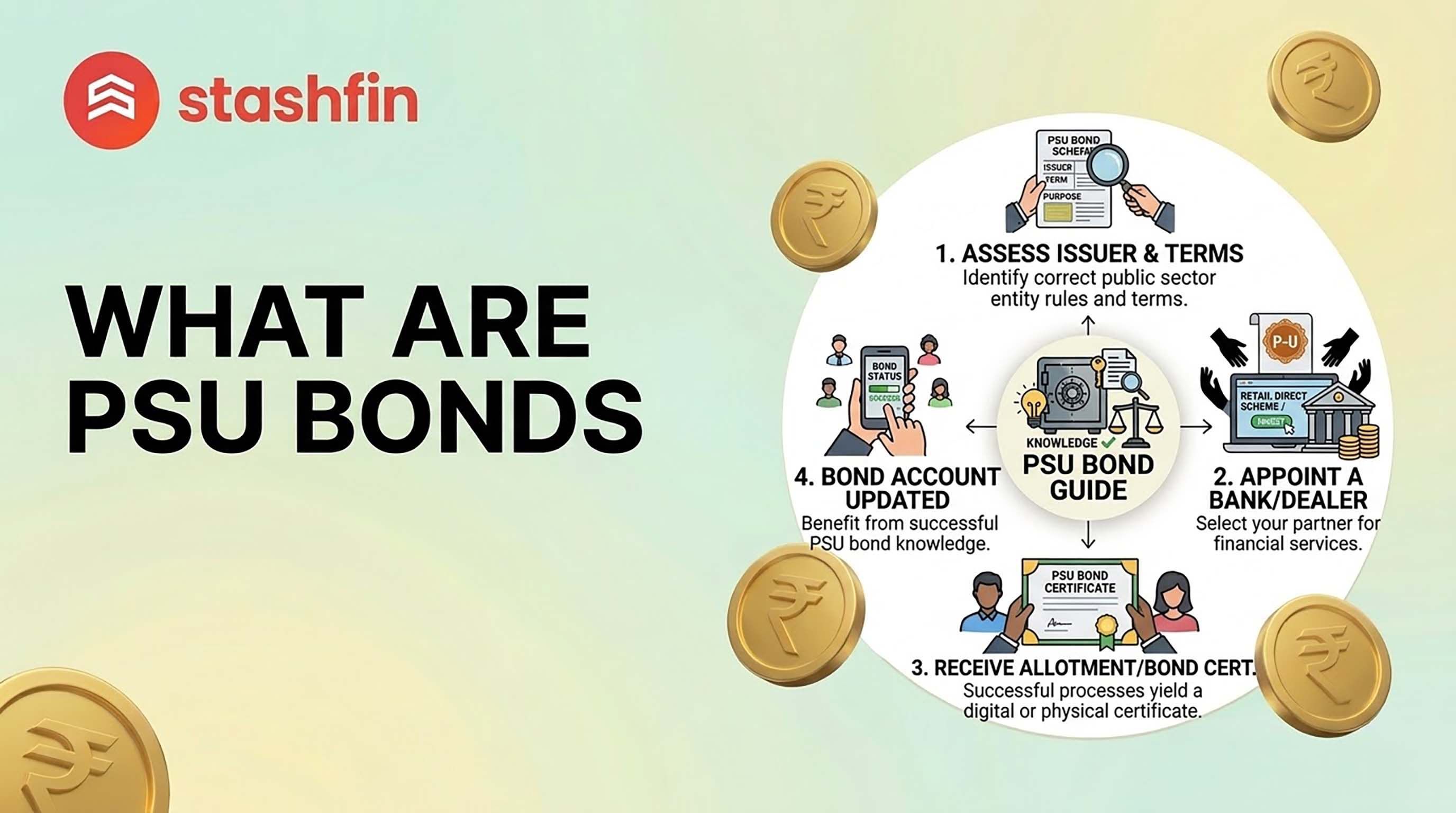
In 2026, the process of investing in these bonds has become completely digital. PSUs issue these bonds through Public Issues (open to everyone) or Private Placements. Once issued, they are credited to your Demat account and listed on the NSE or BSE, allowing you to buy or sell them just like shares.
Key Features of PSU Bonds in 2026
- High Credit Ratings: Most PSU bonds carry a AAA or AA+ rating from agencies like CRISIL or ICRA, reflecting their extremely high capacity to service debt.
- Regular Income: These bonds typically pay a fixed interest rate, known as the coupon, which is paid out annually, semi-annually, or monthly.
- Tenure Variety: You can find PSU bonds with tenures ranging from 3 years to 20 years, allowing you to match your investment with your future goals.
- Tradability: Since they are listed on stock exchanges, they offer better liquidity than traditional bank FDs.
Types of PSU Bonds Available Today
| Type | Key Feature | Best For |
|---|---|---|
| Taxable PSU Bonds | Higher interest rates (approx. 7.5%–8.5% in 2026). | Investors in lower tax brackets. |
| Tax-Free PSU Bonds | Interest earned is exempt from income tax. | Investors in the 30% tax bracket. |
| Capital Gains Bonds (54EC) | Allows you to save tax on the sale of property. | Those who have recently sold real estate. |
| Perpetual PSU Bonds | No fixed maturity; high interest rates. | Long-term regular income. |
Why PSU Bonds Outperform FDs in 2026
For decades, the Fixed Deposit (FD) was the default choice for Indians. However, in the current economic climate, PSU bonds offer three distinct advantages:
- Higher Yields: PSU bonds frequently offer interest rates that are 1% to 1.5% higher than top-tier bank FDs.
- Tax Efficiency: Tax-free bonds from PSUs like PFC or IRFC provide a "real" return that is far superior to FDs for high-income earners, as the interest is not added to your taxable income.
- No TDS (for Demat): Interest on listed PSU bonds held in Demat form is generally not subject to TDS, though the income remains taxable as per your slab (for taxable variants).
Risks to Consider (The Fine Print)
While PSU bonds are "quasi-sovereign," they are not entirely risk-free:
- Interest Rate Risk: If market interest rates rise, the price of your existing bond on the stock exchange may fall. This only matters if you sell before maturity.
- Liquidity Risk: While listed, some PSU bonds have low trading volumes. If you need to sell ₹50 Lakh worth of bonds instantly, you might face a slight delay or a lower price.
- Credit Risk: While rare for a PSU, a change in government policy or a severe financial downturn for a specific entity could lead to a rating downgrade.
How to Invest in PSU Bonds in 2026
Thanks to SEBI's push for "debt democratization," buying PSU bonds is now incredibly simple:
- Direct via Demat: Search for the ISIN or bond name on your stockbroking app (like Zerodha, Groww, or Upstox) and buy them in the secondary market.
- Online Bond Platforms: Regulated platforms like GoldenPi, Wint Wealth, or TheFixedIncome allow you to browse curated PSU bonds with detailed risk analysis.
- Debt Mutual Funds: If you don't want to pick individual bonds, you can invest in PSU & Debt Mutual Funds, which manage a basket of these high-quality bonds for you.
Conclusion
PSU Bonds are the "middle ground" of the investment world—offering the safety of the government with the higher yields of the corporate sector. In 2026, as India continues its journey toward a $5 trillion economy, these bonds are the fuel for national growth and a reliable vehicle for your personal wealth.
At Stashfin, we believe in building a stable financial foundation. While you park your long-term savings in secure PSU bonds, our Instant Credit Line is here to handle your immediate needs, ensuring you never have to break your long-term investments prematurely.

