





















 Back
Back
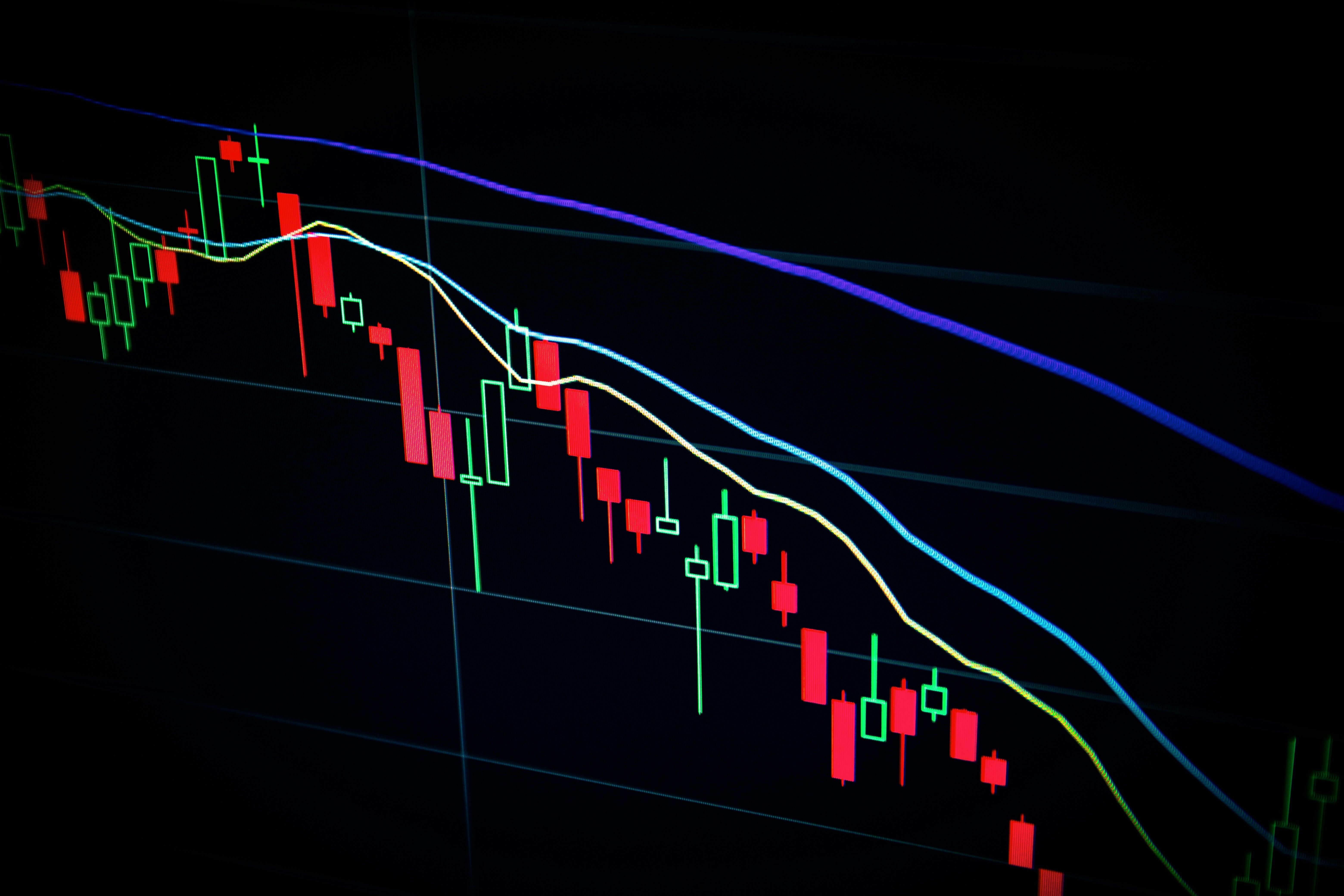

Using Loan Against Mutual Funds for Short-Term Trading Gains
Introduction: Leveraging Liquidity for Trading


Short-term trading aims to generate profits from market movements over days, weeks, or months. Some investors consider using Loan Against Mutual Funds (LAMF) to access quick liquidity for trading opportunities without selling their investments.
While this approach may seem attractive, it introduces significant financial risk due to leverage.
Can You Use LAMF for Trading?
Yes, LAMF generally has no strict end-use restrictions, allowing funds to be used for stock market trading.
However, just because it is allowed does not mean it is always advisable.
How LAMF Works in a Trading Context
- You pledge mutual funds as collateral
- Receive a credit line (based on LTV)
- Use funds to trade in equities or other instruments
This effectively creates leveraged exposure to the market.
Potential Benefits
Access to Capital Without Selling Investments
Continue benefiting from mutual fund growth while trading.Opportunity Capture
Quick liquidity helps you act on short-term market movements.Flexible Usage
Withdraw only required funds and repay anytime.
The Leverage Effect
LAMF amplifies both gains and losses:
- Profits can increase if trades are successful
- Losses can multiply if trades go wrong
This makes risk management critical.
Major Risks to Consider
- Double Market Risk
You are exposed to:
- Mutual fund performance (collateral)
- Trading market performance
Margin Call Risk
If mutual fund value drops, you may need to add collateral or repay.Interest Cost
Even if trades are profitable, interest reduces net gains.Trading Loss Risk
Losses in trading still require full loan repayment.Over-Leverage
Using a large portion of your credit limit increases risk significantly.
Cost vs Return Reality
For this strategy to work:
- Trading gains must exceed borrowing cost
However, short-term trading outcomes are uncertain and unpredictable.
When It May Make Sense
Using LAMF for trading may be considered if:
- You are an experienced trader
- You have strong risk management discipline
- You use only a small portion of your credit limit
- You plan very short holding periods
When It Does Not Make Sense
Avoid this strategy if:
- You are a beginner
- You rely on speculation rather than strategy
- You use high leverage
- You lack a clear exit plan
In such cases, risks outweigh potential rewards.
Best Practices for Using LAMF in Trading
- Use minimal leverage (well below max LTV)
- Set strict stop-loss levels
- Keep holding period short
- Monitor both MF portfolio and trading positions
- Repay quickly after gains
Common Mistakes to Avoid
- Using full credit limit for trading
- Ignoring interest cost
- Holding losing positions too long
- Not tracking collateral value
These mistakes can lead to significant financial stress.
LAMF vs Margin Trading
- Margin Trading: Broker-provided leverage, stricter rules
- LAMF: Independent borrowing, more flexible but less controlled
LAMF lacks built-in trading safeguards, increasing responsibility on the borrower.
Psychological Risk Factor
Leverage can create overconfidence, leading to aggressive trading decisions. Emotional discipline is critical.
Long-Term Financial Perspective
LAMF is primarily designed for liquidity, not speculative trading. Using it for trading can disrupt long-term investment goals if not managed carefully.
Safer Alternatives
- Use surplus funds for trading
- Limit leverage exposure
- Focus on long-term investing instead of short-term speculation
Final Thought
Loan Against Mutual Funds can technically be used for short-term trading gains, but it is a high-risk strategy.
While leverage can amplify profits, it also magnifies losses and financial stress. The combination of market risk and borrowing cost makes this approach suitable only for disciplined and experienced traders.
For most investors, using LAMF for liquidity rather than speculation is the safer and more sustainable approach.
Always prioritize risk management and financial stability over short-term gains.
Loan Against Mutual Fund is subject to applicable interest rates and credit assessment. Mutual fund units pledged as collateral are subject to market risks. Please read all loan-related documents carefully.

