





















 Back
Back

Gamification Techniques: Transforming Rewards into Engaging Experiences
Make your rewards program feel like a game to keep your customers coming back every single day. By moving beyond static points and incorporating play, you can significantly increase customer retention and lifetime value.


What is Gamification?
Gamification involves taking the elements that make video games addictive—such as competition, achievement, and rewards—and applying them to non-game contexts like retail or services.
Most traditional reward programs are passive: a customer buys something, earns a point, and waits months to redeem it. Gamification adds immediate excitement. It shifts the customer's mindset from "spending money" to "winning a game." When people feel like they are winning, they develop a stronger emotional connection to your brand.
The 3 Main Rules of Fun Rewards
To successfully turn a rewards program into a game, you must follow three core principles:
- Clear Goals: The customer must know exactly what they need to do. "Buy 5 coffees to get 1 free" is a clear, actionable goal.
- Instant Feedback: When a customer makes progress, acknowledge it immediately. Use digital "dings," push notifications, or visual celebrations like a gold star in your app.
- Cool Prizes: The reward must justify the effort. This could be a physical gift, a "secret" menu item, or a prestigious digital badge.
Top Techniques for 2026
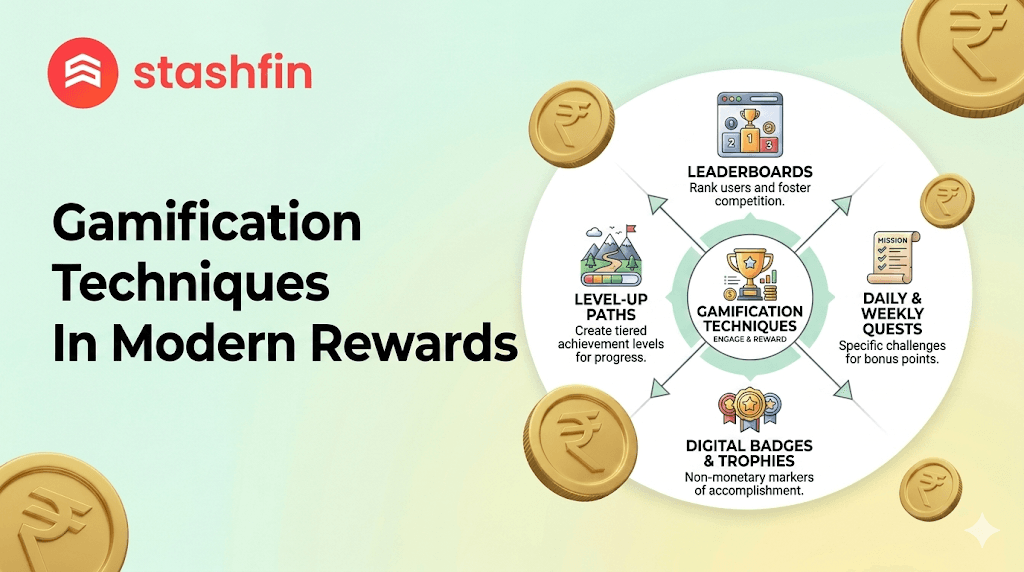
1. Progress Bars and Tiers
Psychologically, people have a hard time leaving tasks unfinished. This is known as the Zeigarnik Effect.
- Progress Bars: Use a visual indicator in your customer portal. As a customer spends, the bar fills up, creating a psychological urge to reach 100%.
- Tiers: Create status levels like Bronze, Silver, and Gold. "Leveling up" provides a sense of pride. Gold members often spend more simply to maintain their exclusive status.
2. Daily Streaks and Missions
Streaks encourage daily interaction, turning your brand into a habit.
- The Daily Check-in: Offer a small bonus (like 5 points) just for opening your app or visiting your site daily.
- The Mission: Assign short-term tasks. "Visit us three times this week to earn double points!" This gives customers a specific reason to choose you over a competitor today.
3. Mystery Rewards (Surprise and Delight)
Predictability can lead to boredom. Introducing an element of chance creates "variable rewards," which are highly engaging.
- The Secret Box: Instead of a standard 10% discount, offer a "Mystery Coupon." The customer must click to reveal if they won 5%, 20%, or a free item.
- Surprise Points: Send an unexpected email stating, "We’ve added a surprise gift to your account!" This makes the customer feel lucky and valued.
4. Social "Squad" Goals
In 2026, loyalty is increasingly social. People enjoy achieving goals alongside their peers.
- Team Challenges: Allow friends to form a "Squad." If the collective group hits a spending target, everyone in the squad receives a bonus.
- Leaderboards: Publicly display your top fans. Friendly competition encourages customers to engage more frequently to see their names move up the list.
Why Games Work Better Than Discounts
While a flat 10% discount is functional, it isn't memorable. Gamification offers several advantages:
- They Build Habits: Streaks and missions integrate your brand into the customer's daily routine.
- They Are Cost-Effective: You don't always need to give a monetary discount. Often, a "Level Up" status or a "Top Fan" badge provides enough social currency to satisfy a customer.
- They Are Memorable: Customers are more likely to share their "Mystery Prize" win on social media than a standard coupon.
If you are looking to scale your business and implement these high-tech gamification features, securing a personal loan can provide the necessary funding for app development and specialized marketing tools.
Simple Steps to Start Today
- Pick One Goal: Decide if you want more frequent visits or a higher average order value.
- Add a Visual: Start with a simple digital progress bar or a physical punch card.
- Celebrate Success: Use bright colors and enthusiastic language when a customer hits a milestone.
- Gather Feedback: Ask your customers if they find the "game" fun. If engagement drops, refresh the challenges!

