





















 Back
Back
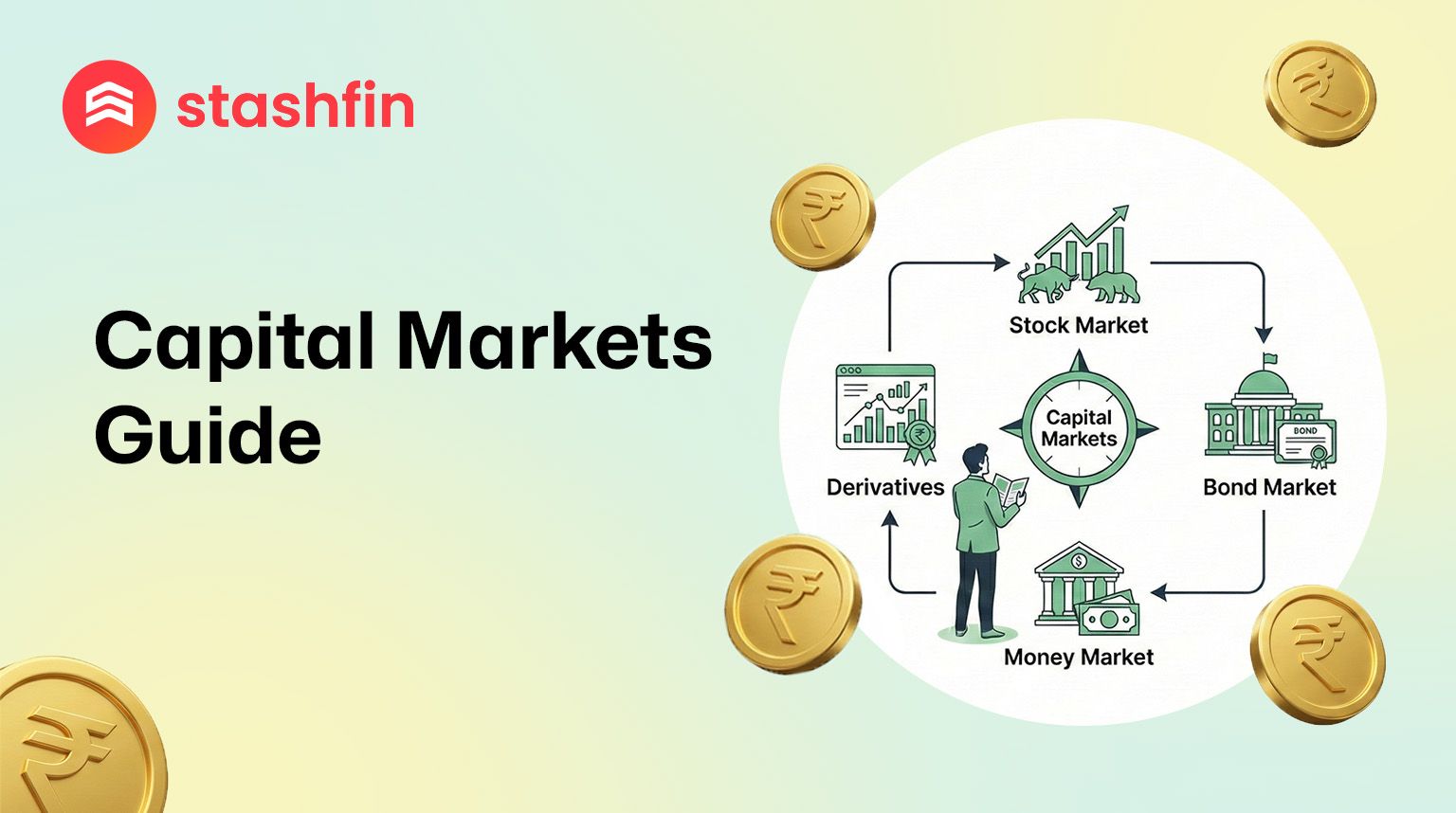

Capital Markets Explained: Powering Wealth & Economy
What is the Capital Market?
The capital market meaning refers to a financial marketplace where individuals, institutions, and governments trade long-term financial instruments (typically with a maturity of more than one year).


Unlike the money market, which deals with short-term liquidity (under 1 year), the capital market is the engine for long-term "Capital Formation." It is where a startup raises its first public funds via an IPO or where a company like Akara Capital issues bonds to fuel its lending operations.
Overview of Capital Market Segments
The capital market is broadly divided into two structural layers, each serving a unique purpose in the investment lifecycle.
1. The Primary Market (New Issues Market)
This is where securities are "born." Companies and governments issue new stocks or bonds directly to the public for the first time.
- Key Mechanism: Initial Public Offerings (IPOs) and Private Placements.
- Investor Role: You buy directly from the issuer.
- Impact: The funds raised go directly to the company for expansion or debt repayment.
2. The Secondary Market (Stock/Bond Exchange)
Once issued, securities are traded among investors here. The issuing company is no longer involved in the transaction.
- Key Platforms: National Stock Exchange (NSE) and Bombay Stock Exchange (BSE).
- Investor Role: You buy from and sell to other investors.
- Impact: Provides Liquidity, allowing you to exit an investment at current market prices.
Equity vs. Debt: The Two Pillars of Capital
In any capital markets guide, understanding the two primary types of securities is crucial for balancing risk and reward.
| Feature | Equity Market (Stocks) | Debt Market (Corporate Bonds) |
|---|---|---|
| Investor Status | Partial Owner | Creditor (Lender) |
| Primary Return | Capital Appreciation / Dividends | Fixed 14.5% Interest |
| Safety Level | High Volatility | Lower Risk (Senior Claim) |
| Maturity | Perpetual (No fixed end) | Fixed (e.g., 12 Months) |
| Example | Buying Blue-chip Shares | Akara Capital Bonds |
Why 2026 is a Landmark Year for Capital Markets
The current 2026 landscape in India is defined by three major shifts:
- The 5.25% Repo Rate Environment: Following RBI rate cuts in 2025, capital markets have become more attractive than traditional savings as investors seek "Real Returns."
- Digital Democratisation: Apps like Stashfin have made high-yield 14.5% p.a. bonds accessible with just a few clicks and a ₹10,000 investment.
- IPO Surge: India continues to lead global rankings for the number of new public listings, providing diverse opportunities for equity growth.
How Capital Markets Benefit You
- Wealth Creation: Historically, capital market instruments like stocks and bonds have outperformed inflation and savings accounts.
- Monthly Income: High-yield debt instruments allow you to earn a "secondary salary" through regular interest credits.
- Transparency: Public markets require companies to disclose financial health quarterly, reducing the "information gap" for retail investors.
- Price Discovery: The collective actions of millions of traders help determine the "fair value" of a business in real-time.

