


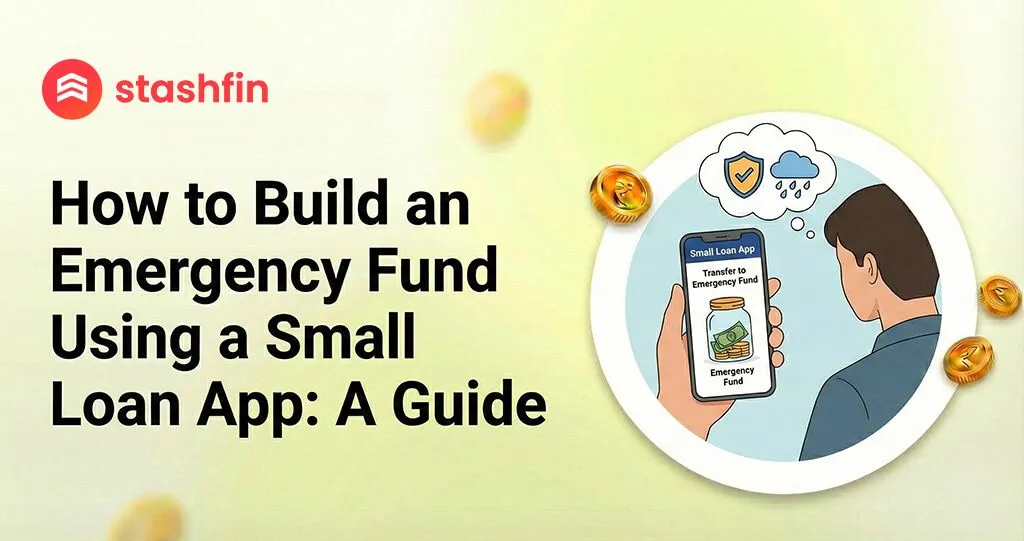
How to Build an Emergency Fund Using a Small Loan App for Financial Security
Most people don’t plan for an emergency; they plan for the month. Then life interrupts: a medical bill, a job gap, a sudden repair, or a family need that cannot wait. This is where an emergency fund changes everything. If you are asking what is an emergency fund is, and how to build an emergency fund when money is tight, the answer is not “save big.” It is “save consistently, keep it accessible, and use credit carefully as a backup, not as the fund itself.”

A small loan app can support this plan in a practical way: it can act like a temporary bridge when an emergency hits before your savings are fully ready. The smart approach is to build your emergency fund in a safe place (like a separate savings account), and keep a loan app as Plan B for short gaps, then repay fast and rebuild your savings.
What Is an Emergency Fund?
What is an emergency fund? It is money set aside only for unexpected, urgent expenses, so you don’t have to break investments or fall into high-cost debt when life surprises you. Think of it as a personal safety net that protects your monthly budget and long-term goals.\
A good emergency fund is:
- Easy to access
- Not used for everyday purchases
- Not used for shopping, travel or a better lifestyle, only for actual emergencies
Why an Emergency Fund Is Important for Financial Security
An emergency fund creates peace of mind, which in turn improves decision-making. Having money on hand to deal with the emergency allows people to get past the threat without compromising their financial stability.
Benefits include
- Avoiding high-interest debt payments: People without emergency funds are left with no choice but to turn to credit cards and loans, and pay in full.
- Maintaining your lifestyle: Paying bills, groceries, and EMIs doesn’t have to stop due to an emergency.
- More control: Having money in the bank reduces the threat of financial collapse in an emergency.
- Avoid “domino effects”: Missing payments because of an unexpected bill shouldn’t happen.
How Small Loan Apps Can Help Build Your Emergency Fund
A small loan app can help, but only when used correctly.
The right role for a loan app
Use it as a backup liquidity tool, not as your emergency fund. Your emergency fund should be your money, stored in a liquid account like a savings account or a similar low-risk option.
Practical ways a loan app supports your plan
- Bridge before your fund is fully built: If an emergency happens in month 2 (before you reach your target), a small loan can cover the expense while you keep your savings plan intact.
- Prevents you from breaking long-term savings: Instead of withdrawing from long-term instruments at the wrong time, a short, controlled loan can reduce disruption (only if repaid quickly).
- Creates a clear recovery path: You borrow → pay the bill → repay in fixed EMIs → rebuild the emergency fund immediately after.
The rule you should follow
If you borrow through a loan app, treat it as an emergency-only tool and repay it quickly. Do not keep borrowing repeatedly; this is how people fall into a debt trap.
Steps to Start Your Emergency Fund
If you want a simple system for how to build an emergency fund, start here:
- Decide your target amount
A common benchmark is 3–6 months of essential expenses.
Some guidance suggests 6–9 months as a broader cushion, and it can be higher for single-income families with heavy responsibilities.
To calculate your number:
- Add non-negotiable monthly costs: rent, groceries, utilities, school fees, and loan EMIs
- Exclude discretionary spends like vacations and entertainment
- Open a separate “Emergency Only” account
A separate savings account helps you avoid accidentally spending it.
Start small, start now
Even a small starting amount is meaningful. If you’re beginning, a small base (even a few thousand) still helps in a pinch.Automate your contributions
Automation is the easiest way to stay consistent. Set an auto-transfer right after salary day so saving becomes non-negotiable.Decide what you will use the fund for
Write 4–5 “approved emergencies,” such as:
- Medical emergencies
- Job loss or income disruption
- Essential home repairs
- Urgent travel for family needs
This prevents confusion about what to do with emergency fund money.
Tips for Growing Your Emergency Fund Faster
Use these emergency fund tips to speed up progress without feeling deprived:
- Increase savings in “good months”: If a month has a bonus, an incentive, or lower expenses, push extra savingsinto the fund.
- Use a “step-up” rule: Every time income rises, increase emergency savings by a fixed percent.
- Cut one silent leak: Pick one recurring expense (subscriptions, food delivery, impulse buys) and redirect that amount weekly.
- Save first, spend later: Automate savings so you don’t rely on willpower.
- Keep it liquid: Avoid locking all of it in places that are hard to access quickly. Liquidity matters most in emergencies.
If you’re thinking, " What is a good emergency fund, a practical answer is: one that is big enough to protect essentials and easy enough to use immediately.
Common Mistakes to Avoid While Building an Emergency Fund
Avoid these errors, they slow down progress or create future stress:
- Borrowing to “create” the fund: Taking an instant personal loan and keeping it as savings feels safe, but you pay interest for no real benefit.
- Using it for non-emergencies: A fund used for lifestyle becomes an expense account, not protection.
- Not separating the money: Keeping it in your main account increases casual withdrawals.
- Ignoring debt risk: Repeated borrowing can lead to a debt trap if repayments exceed your comfort level.
- Not replenishing after using it: If you withdraw, rebuild immediately, your safety net stays weak.
Bottom Line
An Emergency Fund isn't about being rich; it is about being prepared. When building your fund, make sure your savings are automated, and keep it in a safe, separate, and easily accessible place. Use a loan app as a last resort, and only for real emergencies, and then pay it back and restore your funds.
After that, you can plan after emergency fund and what next, such as insurance upgrades, reducing debt, and investing for the long term. Stashfin can assist with this. If you encounter an unexpected expense, the Stashfin app can provide you with an instant personal loan to help you cover it without affecting your basic monthly expenses. Just make sure you only borrow what you need, pay the money back on time, and then restore your emergency fund.


