





















 Back
Back
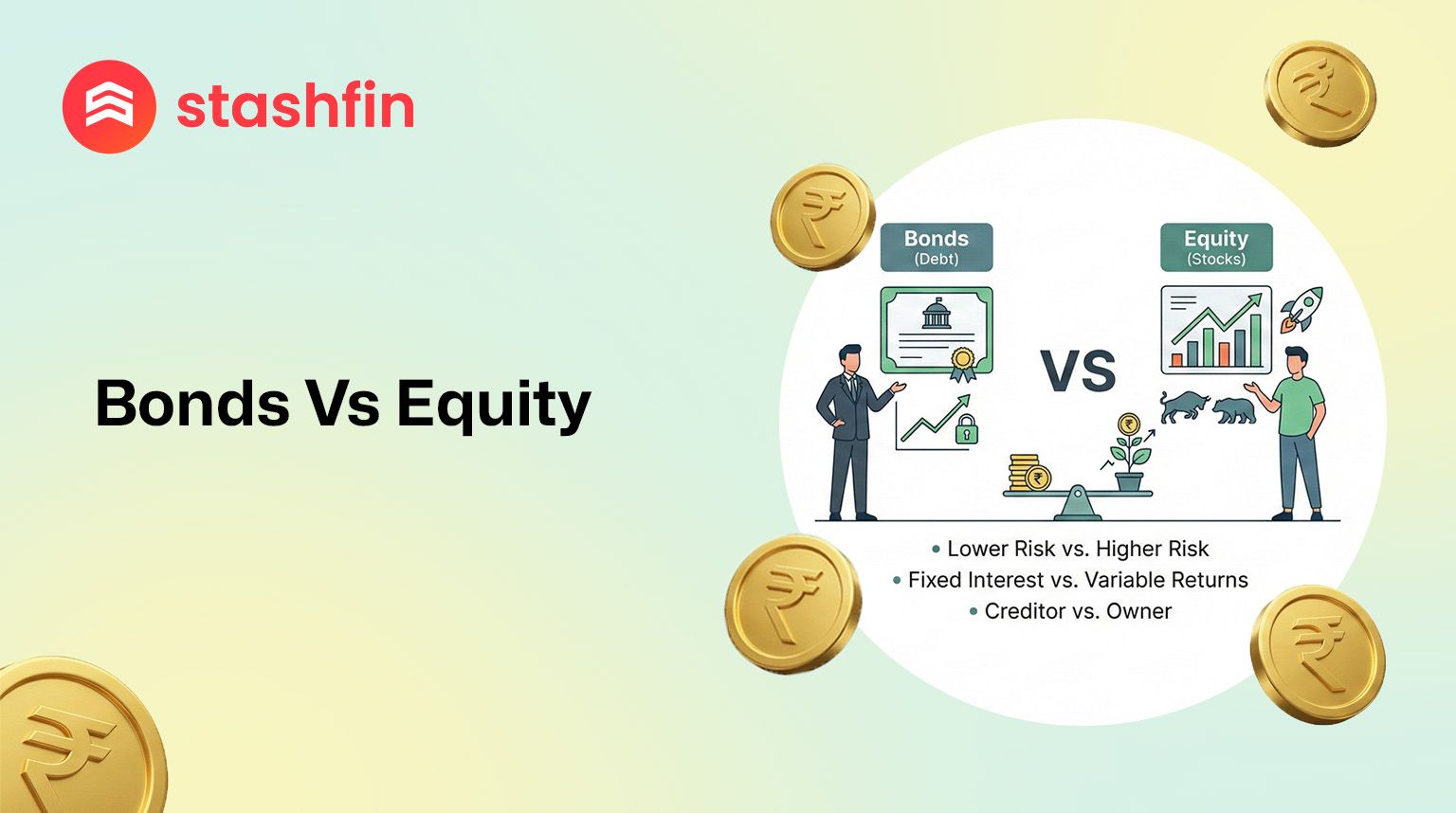

What is the Difference Between Bond and Equity?
What are Equities (Stocks)?
When you invest in equities, you are buying ownership in a company. You benefit if the company grows (capital appreciation) and may receive a share of the profits (dividends). However, you also bear the risk of the company underperforming, which can lead to a total loss of capital.


What are Bonds?
When you buy a bond, you are a lender. You provide capital to a company or government for a fixed period. In return, they are legally obligated to pay you fixed interest and return your principal at maturity.
Equities vs. Bonds: Risk-Return Analysis
In 2026, the gap between safe debt and aggressive equity has shifted. Use this table to evaluate your risk appetite.
| Feature | Equities (Stocks) | Corporate Bonds (Akara) |
|---|---|---|
| Investor Status | Partial Owner | Creditor (Lender) |
| Primary Return | Capital Gains / Dividends | Fixed 14.5% Interest |
| Risk Level | High (Market Volatility) | Low-Medium (Credit Risk) |
| Tenure | Indefinite (No Maturity) | Fixed 12-Month Cycle |
| Income Frequency | Irregular (Quarterly/Annual) | Guaranteed Monthly |
| Priority in Default | Last in line | Paid before Shareholders |
Why 2026 is a Strategic Year for Bonds
The current economic landscape has made equities vs bonds a critical debate for Indian investors.
- Falling Interest Rates: With the RBI Repo Rate at 5.25%, equity markets often face high valuations. Bonds like Akara Capital allow you to lock in a 14.5% yield, which is significantly higher than the average earnings yield of the Nifty 50.
- The Yield "Alpha": While historical equity returns average 12%, a 14.5% fixed return provides an "Alpha" (excess return) with much lower day-to-day volatility.
- Short-Term Agility: Equity cycles often require 5-7 years to mature. Corporate bonds like the Akara Capital allow you to earn high returns in just 12 months.
Ownership vs. Lending: Which Rights Matter?
Choosing between bonds and equities also means choosing your rights as an investor.
- Voting Rights: Equity holders can vote on corporate decisions. Bondholders cannot.
- Claim on Assets: If a company faces liquidation, bondholders are repaid first from the sale of assets. Shareholders only receive what is left, which is often nothing.
- Predictability: In equities, your return is a "maybe." In bonds, your return is a "contract."
How to Balance Bonds and Equities in Your Portfolio
Modern portfolio theory suggests that the key is not choosing one, but finding the right mix.
- The Core (60-70%): Use Blue-chip equities or Index funds for long-term growth.
- The Income Satellite (20-30%): Use high-yield corporate bonds like Akara Capital to generate fixed monthly cash flow that you can reinvest or use for lifestyle expenses.
- The Safety Net (10%): Maintain cash or AAA government bonds for immediate emergencies.
Why Stashfin for Your Fixed-Income Allocation?
Stashfin makes it simple to move beyond the volatile stock market and secure your principal.
| Benefit | Stashfin | Traditional Stock Brokers |
|---|---|---|
| Yield Focus | Optimised for 14.5% p.a. | Often focus on 8-12% equities |
| Payouts | Fixed Monthly Interest | Unpredictable Dividends |
| Onboarding | 100% Digital & Paperless | Often requires complex Demat setup |
| Tenure | Targeted 10-month cycles | Usually requires 3-5 year horizons |

